Medical Care for Travelers in Spain: Your Telemedicine Guide

What is Telemedicine and How Can it Help Travelers?
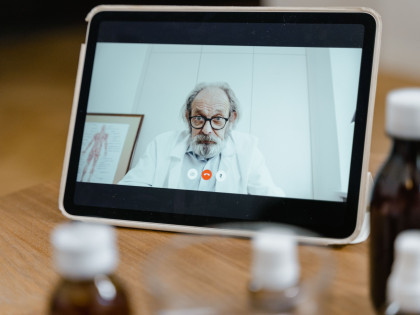
Telemedicine offers a convenient way to access medical consultations remotely, using video calls, phone calls, or secure messaging. For travelers in Spain, this means you can connect with a qualified doctor from anywhere – your hotel room in Barcelona, a holiday rental in Valencia, or even a beachside apartment in Mallorca. It's particularly useful for non-emergency situations, such as unexpected illnesses, minor injuries, or questions about ongoing health conditions. Instead of spending valuable vacation time searching for a local clinic or hospital, telemedicine allows you to receive professional medical advice and guidance quickly and efficiently, often within minutes.
This service is invaluable for addressing common travel-related health issues like digestive upset, skin rashes, respiratory symptoms, or even for discussing medication refills or general health concerns. A doctor can assess your symptoms, provide recommendations, and, if appropriate, authorize necessary treatments. This flexibility ensures that your health needs are met without disrupting your travel plans.
Accessing Online Medical Consultations Anywhere in Spain
One of the greatest advantages of telemedicine for travelers is its widespread availability. Whether you're exploring the historic streets of Madrid, enjoying the beaches of the Canary Islands, or visiting family in Sevilla, you can easily connect with a doctor through a video consultation. This service is available 24/7, providing peace of mind knowing that medical assistance is always within reach, regardless of your location or time zone.
Through platforms like DHV24, you can schedule a video consultation with a Spanish-licensed doctor who can assess your symptoms, offer a diagnosis, and recommend a course of action. This includes addressing concerns about sleep disturbances, anxiety related to travel, or questions about managing existing conditions. The doctor can also provide doctor-issued treatment plans if deemed necessary, ensuring you receive appropriate care without delay. This means you don't have to navigate a new healthcare system in person for many common ailments.
When is Telemedicine the Right Choice for Your Health Needs?
Telemedicine is an excellent option for a wide range of non-urgent medical concerns that can arise during your travels. It's ideal for situations where you need quick advice, a professional opinion, or a follow-up without the need for a physical examination. Consider telemedicine if you experience:
- Mild cold or flu symptoms, such as a cough, sore throat, or fever.
- Digestive issues like stomach upset, diarrhea, or constipation.
- Skin conditions, including rashes, insect bites, or minor allergic reactions.
- Urinary tract infection symptoms.
- Questions about existing medications or potential interactions.
- General health advice or concerns about managing chronic conditions while traveling.
For any severe symptoms, emergencies, or conditions requiring immediate in-person assessment, always seek emergency medical attention.
What to Expect During a Telemedicine Consultation
During a video consultation, you will connect with a doctor via a secure online platform. The doctor will ask you about your symptoms, medical history, and any relevant details about your current health situation. It's helpful to have a list of your current medications and any allergies ready. Be prepared to describe your symptoms clearly and answer any questions the doctor may have. They may ask you to show certain areas of your body (e.g., a rash on your arm) if it helps with their assessment.
Based on this discussion, the doctor will provide their medical opinion, offer advice, and suggest a treatment plan if appropriate. This could include recommendations for over-the-counter remedies, lifestyle adjustments, or, if necessary, doctor-issued treatment. They will also advise you if an in-person visit is required for further evaluation or specific tests. The goal is to provide you with clear guidance and support for your health concerns.
Can I Get In-Person Doctor Visits if Needed?
While telemedicine is incredibly convenient, there are situations where an in-person medical examination is necessary. For these instances, many regions in Spain offer the option of a doctor visiting you directly at your accommodation. This service is available in major cities like Madrid, Barcelona, and Valencia, as well as popular tourist destinations such as the Balearic Islands, the Canary Islands, and various locations along the Spanish coast. A doctor can come to your hotel, holiday rental, or private residence to provide a more thorough assessment, perform basic examinations, or administer certain treatments that cannot be done remotely.
This hybrid approach ensures that travelers have comprehensive medical support, combining the accessibility of telemedicine with the option of traditional in-person care when required. It's a valuable service for those who prefer not to navigate local clinics or hospitals, especially when feeling unwell.
Important Emergency Information for Travelers in Spain
In the event of a medical emergency, it is crucial to seek immediate assistance. For any life-threatening conditions, severe injuries, or acute symptoms such as chest pain, difficulty breathing, severe bleeding, or loss of consciousness, do not rely on telemedicine. Immediately call the emergency services number in Spain.
- **Emergency Number in Spain: 112** (This number is free to call from any phone and connects you to police, fire, and ambulance services.)
- Clearly state your location and the nature of the emergency.
- Stay calm and follow the instructions of the emergency operator.
Always prioritize your safety and well-being. When in doubt, call 112.
Disclaimer: This article provides general information and is not a substitute for professional medical advice. Always consult with a qualified doctor for any health concerns or before making any decisions related to your health or treatment. The information provided here is for educational purposes only and should not be used for self-diagnosis or self-treatment.