Knee Discomfort After Exercise: Understanding Your Body's Signals

Experiencing knee discomfort after physical activity is a common concern for many, whether you're a seasoned athlete or just starting a new fitness routine. While sometimes it's simply a sign of muscle fatigue, other times it can indicate an issue that needs attention. Understanding the potential causes and knowing when to seek professional advice is crucial for maintaining your joint health and continuing your active lifestyle.
Common Causes of Knee Discomfort Post-Exercise
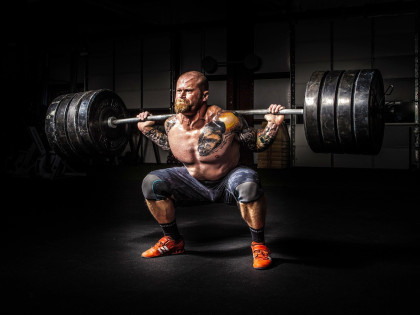
Often, knee discomfort after exercise, particularly activities like squats, can be linked to improper technique or overuse. One frequently observed issue is the knees collapsing inwards during a squat, often referred to as 'rodillas hacia adentro sentadilla'. This misalignment places undue stress on the knee joint and surrounding ligaments, leading to pain. Other common errors include not engaging the core, rounding the back, or letting the knees extend too far past the toes. These 'errores sentadilla dolor rodilla' can contribute significantly to post-workout soreness.
- Improper Form: Incorrect execution of exercises like squats or lunges can misalign the knee, leading to strain.
- Overuse: Suddenly increasing the intensity, duration, or frequency of your workouts without adequate rest can overload the knee joint.
- Weak Supporting Muscles: Imbalances or weakness in the quadriceps, hamstrings, or glutes can affect knee stability.
- Inadequate Warm-up or Cool-down: Skipping these crucial steps can leave muscles and joints unprepared for activity or slow recovery.
When to Consider Online Telemedicine for Knee Concerns
If you're experiencing persistent 'dolor rodilla después ejercicio' or 'dolor articular después entrenar', a remote consultation can be a convenient and effective first step. DHV24 offers online telemedicine services across all of Spain, 24/7, allowing you to speak with a qualified doctor from the comfort of your home or holiday rental, whether you're in Madrid, a coastal town like Marbella, or on the Canary Islands. A doctor can discuss your symptoms, review your exercise routine, and offer initial guidance. They can help you understand if your pain might be related to technique, suggest modifications, or advise on whether an in-person examination is necessary. This service is ideal for initial assessments and follow-ups, providing accessible care for residents and visitors alike.
Recognising More Serious Signals: When to Worry
While some post-exercise soreness is normal, certain symptoms indicate 'cuándo preocuparse dolor rodilla'. If your knee pain is accompanied by swelling, redness, warmth to the touch, or if you hear a popping sound at the time of injury, it's important to seek medical attention. Difficulty bearing weight, a feeling of instability, or pain that doesn't improve with rest are also red flags. Ignoring these signals can lead to more significant problems down the line. Even if the pain seems minor, if it persists for several days or worsens, it's always best to consult a doctor.
- Sharp, Sudden Pain: Especially if it occurred during an acute incident.
- Swelling and Redness: These can indicate inflammation or injury within the joint.
- Inability to Bear Weight: A sign of potential structural damage.
- Knee Instability: A feeling that your knee might give way.
- Pain Interfering with Daily Activities: If the discomfort prevents you from performing routine tasks.
Seeking In-Person Medical Advice in Spain
For situations requiring a physical examination, DHV24 also facilitates in-person doctor visits. If you're staying in a hotel or holiday rental in areas like Barcelona, Valencia, or the Balearic Islands, a doctor can come to you. This service is particularly beneficial for visitors or those unable to travel to a clinic, ensuring you receive timely and convenient care for your knee concerns. A physical assessment allows a doctor to palpate the joint, assess range of motion, and perform specific tests to pinpoint the cause of your discomfort and recommend appropriate treatment.
Preventing Knee Discomfort: Best Practices
Prevention is key when it comes to knee health. Focus on proper form for all exercises, especially those that load the knees. Consider working with a fitness professional to ensure your technique is correct. Gradually increase your workout intensity and always include a thorough warm-up and cool-down. Incorporate exercises that strengthen the muscles around the knee, such as the quadriceps, hamstrings, and glutes, to improve joint stability. Listening to your body and allowing for adequate rest and recovery are also vital components of a sustainable and pain-free exercise routine.
If you experience severe knee pain, especially after an injury, or if you suspect a serious condition, do not hesitate to call 112, the emergency number in Spain.
Disclaimer: This article provides general information and is not a substitute for professional medical advice. Always consult a qualified doctor for diagnosis and treatment of any health condition.