Finding Your Family Doctor Abroad: A Guide for Expats and Travelers
Navigating Healthcare as an Expat or Traveler
Moving to a new country, whether for work, study, or adventure, brings many exciting opportunities. However, one crucial aspect that often requires careful consideration is healthcare. Establishing a relationship with a family doctor (also known as a general practitioner or GP in many countries) is essential for managing your health, especially when you're far from home.
Why a Family Doctor is Important
- Continuity of Care: A family doctor can get to know your medical history and provide consistent care over time.
- First Point of Contact: They are usually your first stop for most health concerns, from common colds to chronic condition management.
- Referrals to Specialists: If you need to see a specialist, your family doctor can provide appropriate referrals within the local healthcare system.
- Preventive Care: They can help you stay healthy through regular check-ups, screenings, and vaccinations.
- Understanding the Local System: A local doctor can guide you through the healthcare system of your host country.
Steps to Finding a Family Doctor
1. Understand the Local Healthcare System
Healthcare systems vary significantly from country to country. Research whether the system is public, private, or a mix of both. Understand how appointments are made, what costs are involved, and how prescriptions work. Your employer, university, or local expat groups can be excellent resources for this information.
2. Check Your Insurance Coverage
Before you even start looking, confirm what your health insurance covers in your new country. Does it cover visits to a family doctor? Are there specific networks you need to use? Understanding your coverage will help you narrow down your options.
3. Ask for Recommendations
Word-of-mouth can be incredibly valuable. Ask colleagues, fellow students, other expats, or local friends for their recommendations. Online expat forums and social media groups can also be good places to gather suggestions.
4. Utilize Online Resources
Many countries have online directories of doctors. You can often filter by specialty, location, and even languages spoken. Websites for local hospitals or medical clinics may also list their affiliated doctors.
5. Consider Language and Cultural Fit
It's often helpful to find a doctor who speaks your native language or a language you are comfortable communicating in. This can prevent misunderstandings and make you feel more at ease. Also, consider if the doctor's approach aligns with your cultural expectations for medical care.
6. Schedule an Initial Consultation
Once you have a few potential candidates, consider scheduling an initial "meet and greet" appointment. This allows you to assess the doctor's communication style, the clinic environment, and whether you feel comfortable with them. You can ask about their practice philosophy, how they handle emergencies, and their availability.
7. Prepare Your Medical History
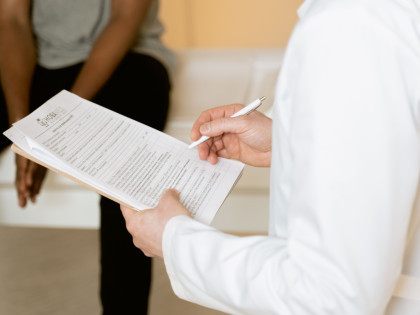
Before your first visit, gather any relevant medical records, including vaccination history, current medications, allergies, and a summary of past illnesses or surgeries. This will help your new doctor understand your health needs quickly.
Important Considerations
- Emergency Services: Know the local emergency number and the location of the nearest emergency room or hospital.
- Medication Availability: Be aware that some medications you take regularly might not be available or may have different names in your new country. Discuss this with your doctor.
- Follow-up Care: Understand the process for follow-up appointments, test results, and prescription refills.
When to Seek Immediate Medical Attention
If you experience severe symptoms such as sudden chest pain, difficulty breathing, severe bleeding, loss of consciousness, or signs of a stroke, do not wait for an appointment. Seek immediate emergency medical attention by calling the local emergency number.
Remember, this guide provides general information and is not a substitute for professional medical advice. Always consult with a qualified healthcare professional for any health concerns or before making any decisions related to your health or treatment.
Always consult a doctor before making decisions about your health. This article is for general information only and is not a substitute for professional medical advice.