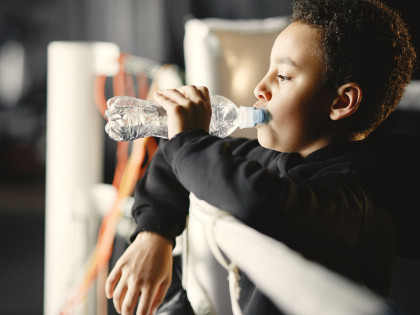
Recognising Dehydration in Children: A Parent's Guide

Understanding Dehydration in Young Children
Dehydration occurs when a child loses more fluids than they take in, disrupting the body's normal functions. Children, especially infants and toddlers, are more susceptible to dehydration than adults because their bodies contain a higher percentage of water and they have a faster metabolism. They also have a smaller fluid reserve and can't always communicate when they're thirsty or feeling unwell. Recognising the signs early is crucial to prevent serious health complications.
Common causes of dehydration in kids include illnesses like gastroenteritis (stomach flu) leading to vomiting and diarrhea, high fever, excessive sweating during hot weather or strenuous activity, and not drinking enough fluids. In Spain, with its warm climate, particularly during summer months in regions like the Costa del Sol or the Balearic Islands, parents need to be extra vigilant.
Key Symptoms to Watch For
Identifying dehydration in child symptoms can be challenging, as they can sometimes be subtle. However, certain indicators should prompt concern:
- **Reduced Urination:** Fewer wet nappies for babies or infrequent trips to the toilet for older children. Urine may also appear darker than usual.
- **Dry Mouth and Tongue:** The mouth might feel sticky, and the tongue may look dry.
- **Lack of Tears:** When crying, a dehydrated baby or child may not produce tears.
- **Lethargy and Irritability:** The child might seem unusually tired, sleepy, or unusually fussy and irritable.
- **Sunken Soft Spot (Fontanelle):** For infants, the soft spot on top of their head may appear sunken. This is a significant sign of dehydration.
- **Sunken Eyes:** The eyes may look hollow or sunken.
- **Cool, Dry Skin:** The skin might feel cool to the touch and lack its usual elasticity.
If you notice your child not drinking water or refusing fluids, pay close attention to these signs.
When to Seek Medical Advice Online
For many parents, the first question is often, "When to see doctor for dehydration?" If you're concerned about your child's fluid intake or mild symptoms, an online telemedicine consultation can be an excellent first step. Through a video consultation, a doctor can assess your child's general appearance, listen to your concerns, and provide guidance on managing mild dehydration at home. They can advise on appropriate rehydration fluids and help you determine if an in-person visit is necessary.
DHV24 offers online telemedicine consultations available 24/7 across all of Spain, whether you're at home in Madrid, on holiday in a villa in the Canary Islands, or visiting family in Valencia. This convenient service allows you to connect with a qualified doctor from anywhere, ensuring timely advice without the need to travel.
Managing Mild Dehydration at Home
If your child has mild dehydration and is otherwise well, you can often manage it at home under medical guidance. The primary goal is to replace lost fluids and electrolytes. Offer small, frequent sips of oral rehydration solutions (ORS), which are specifically formulated to restore the body's balance. Avoid sugary drinks like fruit juice or fizzy drinks, as these can worsen diarrhea.
For babies, continue breastfeeding or formula feeding as usual, and offer additional ORS between feeds. For older children, plain water, diluted broths, or ice pops made from ORS can be helpful. Encourage rest and keep them cool, especially if fever is present. Always refer to the product leaflet for specific instructions on ORS use or consult a doctor for personalised advice.
When an In-Person Doctor's Visit is Essential
While online consultations are very useful, certain situations require immediate in-person medical attention. If your child exhibits any of the following severe dehydration symptoms, seek professional help without delay:
- Extreme lethargy or unresponsiveness
- Rapid, weak pulse
- Lack of urination for 8-12 hours (for older children) or no wet nappy for 6 hours (for infants)
- No tears when crying, combined with other severe symptoms
- Very dry mouth and tongue, with cracked lips
- Sunken fontanelle (soft spot) in infants that is noticeably depressed
- Cool, mottled, or discoloured skin
- Rapid breathing
- Severe abdominal pain or persistent vomiting/diarrhea that prevents fluid intake
These signs indicate severe dehydration, which can be life-threatening if not treated promptly. In such cases, a doctor may recommend hospitalisation for intravenous fluid replacement.
DHV24 also offers in-person doctor visits directly to your hotel, holiday rental, or home in many regions across Spain, including Barcelona, Málaga, and the Costa Blanca. This service can be invaluable if your child needs a physical examination but is too unwell to travel to a clinic.
Emergency Warning
If your child shows signs of severe dehydration or you are gravely concerned about their condition, do not hesitate. Call 112, the emergency number in Spain, immediately for urgent medical assistance.
Disclaimer: This article provides general information and is not a substitute for professional medical advice. Always consult a qualified doctor for diagnosis and treatment of any health condition.